
Everest AI
Building the world’s fastest IPMI single board computer
87 followers
Building the world’s fastest IPMI single board computer
87 followers
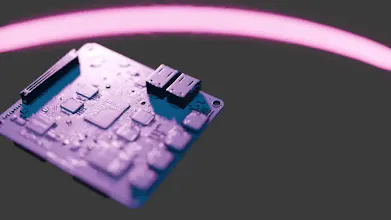
Everest C1 is the world’s most powerful ARM64 server APU, built for engineers who demand uncompromising performance. Driven by the Snapdragon X2 Elite Extreme with 18 cores at 5 GHz, 128 GB unified memory, 80+ AI TOPS NPU, and enterprise IPMI. Silent, under 75 W, and Kubernetes‑native. The C1 delivers AI inference, edge clusters, and sovereign infrastructure at a fraction of cloud costs.



Payment Required
Launch Team

Octopus ReviewShip code fast, no bugs
Promoted
Everest AI
Humalike
How does the C1 handle thermal management at sustained workloads given the 75W envelope and fanless design? Really cool hardware, good luck!
Everest AI
@mcarmonas Thanks for the question Martí! You can buy one or make your own from a spare fan. You can also use a whole case air/water cooling solution if you're using C1 in a cluster.
128GB unified memory on ARM64 at 75W is impressive for edge AI inference. What LLM models have you benchmarked on the C1? Curious about the tokens/sec for something like Llama 70B quantized.
Everest AI
@greythegyutae Great question! We haven't benchmarked any LLMs yet because the Snapdragon X2 Elite Extreme chip itself is not out yet, but it is expected to be one of the most powerful ARM chips released this year. Llama 70B quantized sounds about right.
Gabriel, this is a serious piece of engineering. Silent, ultra efficient, and powerful enough to genuinely challenge cloud dependency, the C1 feels like it was built by someone who actually understands what engineers are dealing with day to day. I can see startups and AIoT teams getting immediate value from owning hardware this capable without the usual noise, energy overhead, and recurring cloud costs that come with it.
One messaging angle worth exploring: leaning harder into "cloud liberation." Not as a buzzword, but as a concrete story. Showing engineers exactly how this replaces or complements their existing cloud workflows could make the value click much faster than leading with specs alone.
Curious what the most surprising use case from early users has been. That kind of unexpected application often reveals the strongest positioning angle, the one you didn't plan for but probably should be leading with.
I work with SaaS and hardware teams on launch copy and positioning, so I'm naturally drawn to the communication layer around products like this. The engineering is clearly there. A crisp, engineer focused narrative around it could do a lot to accelerate adoption. Happy to explore ideas if that's something you're thinking about.