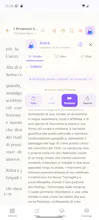
EzyReader is an AI-powered eBook reader for EPUB, PDF, DOCX and PPTX β plus a built-in scanner for paper pages. Its AI assistant, Aura, generates chapter summaries, creates flashcards with spaced repetition, and reads chapters aloud as audio overviews. Export flashcards to Anki and citations to BibTeX in one tap. Built with dyslexia-friendly fonts and adaptive themes for accessibility. GDPR-compliant, EU servers, transparent pricing with a free tier.
No reviews yetBe the first to leave a review for EzyReader
Maker
π
Hi Product Hunt π
I built EzyReader because reading dense material β textbooks, PDFs, long articles β takes way more time than actually retaining it. I wanted a reader that does more than just display pages: one that helps you understand, remember and revisit what you read.
EzyReader pairs any book or document (EPUB, PDF, DOCX, PPTX) with an AI assistant, Aura: chapter-by-chapter summaries, auto-generated flashcards with spaced repetition, and audio overviews you can listen to on the go. Export flashcards to Anki or citations to BibTeX in one tap.
It's also built to be genuinely accessible β dyslexia-friendly fonts and adaptive themes are there for anyone who needs them, alongside the AI features that help every reader retain more.
It's live on Google Play now, and I'd love your feedback β whether you're a student, a professional reader, or just someone who wants to actually remember what they read.
Report
@mdastudioΒ Really like the focus on retention rather than just reading. There are already plenty of PDF readers, but combining summaries, flashcards, spaced repetition, and audio into one workflow feels much more aligned with how people actually learn.
I'm curious about the balance between AI assistance and active learning. Have you found that users retain more when Aura generates flashcards automatically, or when they edit and refine those flashcards themselves? It seems like that could make a big difference in long-term memory.
Report
Maker
@rudratoshΒ Thanks, that framing (one workflow instead of four separate apps) is exactly the pitch! Honest answer: no hard retention data yet, still early days. But it's not either/or, Aura drafts each flashcard automatically, and you can edit the front/back right in the review screen. My hunch is refining your own wording helps recall more, but that's a hypothesis, not something I've measured yet.
Report
Honestly the Anki export is a nice touch, but I'd love to see collaborative annotation too. Like, if a friend and I are reading the same book, we could leave margin notes that sync between us. Sort of a Goodreads meets Kindle Highlights kind of thing, basically turning solo reading into a shared experience without leaving the app.
Report
Maker
@safiyealpakΒ Really glad the Anki export landed well! Collaborative annotation is such a good idea, I've felt that exact itch, wanting to react to a passage with someone in real time. Nothing built yet, but you've basically sketched a feature I'd genuinely love to explore. That 'Goodreads meets Kindle Highlights' framing is spot on. What would make it feel right to you, live cursors, threaded margin notes, something else? And thanks for being one of the first to dig in here, it means a lot π
@mdastudioΒ Really like the focus on retention rather than just reading. There are already plenty of PDF readers, but combining summaries, flashcards, spaced repetition, and audio into one workflow feels much more aligned with how people actually learn.
I'm curious about the balance between AI assistance and active learning. Have you found that users retain more when Aura generates flashcards automatically, or when they edit and refine those flashcards themselves? It seems like that could make a big difference in long-term memory.
@rudratoshΒ Thanks, that framing (one workflow instead of four separate apps) is exactly the pitch! Honest answer: no hard retention data yet, still early days. But it's not either/or, Aura drafts each flashcard automatically, and you can edit the front/back right in the review screen. My hunch is refining your own wording helps recall more, but that's a hypothesis, not something I've measured yet.
Honestly the Anki export is a nice touch, but I'd love to see collaborative annotation too. Like, if a friend and I are reading the same book, we could leave margin notes that sync between us. Sort of a Goodreads meets Kindle Highlights kind of thing, basically turning solo reading into a shared experience without leaving the app.
@safiyealpakΒ Really glad the Anki export landed well! Collaborative annotation is such a good idea, I've felt that exact itch, wanting to react to a passage with someone in real time. Nothing built yet, but you've basically sketched a feature I'd genuinely love to explore.
That 'Goodreads meets Kindle Highlights' framing is spot on. What would make it feel right to you, live cursors, threaded margin notes, something else? And thanks for being one of the first to dig in here, it means a lot π