
Sunday, Dec 01
Presented byEney by MacPawWelcome back to another edition of The Roundup, folks. We've got context aware AI assistants, hyper-realistic photo generation, and a breakdown of OpenAI's recent hiring binge, and lots more. Let's get into it. — Aaron and Sanjana
Leaderboard highlights


A proactive AI assistant for your Mac
Most work mess is the small stuff: the follow-up that slipped after a meeting, the task that takes six clicks, the context switch that eats your afternoon. Eney, MacPaw's new AI assistant, connects to your email, calendar and files, surfaces what needs attention and helps you act on it, only with your approval. The Eney Preview is open now: join free and get 20,000 credits to put it through real work, no credit card or heavy prompting required.
OpenAI's hiring blitz
OpenAI is making moves like it’s assembling the Avengers of tech. First, there’s Justin Uberti, a heavyweight in real-time communication and the creator of WebRTC. After years of redefining how we connect online, he’s now tackling AI’s next big challenges at OpenAI. Whatever he’s working on, it’s safe to say it’ll likely involve revolutionizing how humans and AI interact—or maybe something we haven’t even thought of yet.
And then there’s Caitlin Kalinowski, fresh from Meta, where she was in charge of AR glasses that aimed to bring the sci-fi future to your face. Now, she’s leading OpenAI’s robotics and consumer hardware efforts. Her hire suggests OpenAI might be gearing up for something tactile—robots? AI-optimized devices? Whatever it is, the company isn’t just thinking about ones and zeros anymore; they’re thinking about things you can hold (or that can hold you?).
This hiring blitz isn’t just about picking up talent; it’s about signaling ambition…
How to Improve Your AI Agent: A Guide for Founders
By Pranav Raja, Co-founder, and CTO of Foundry.
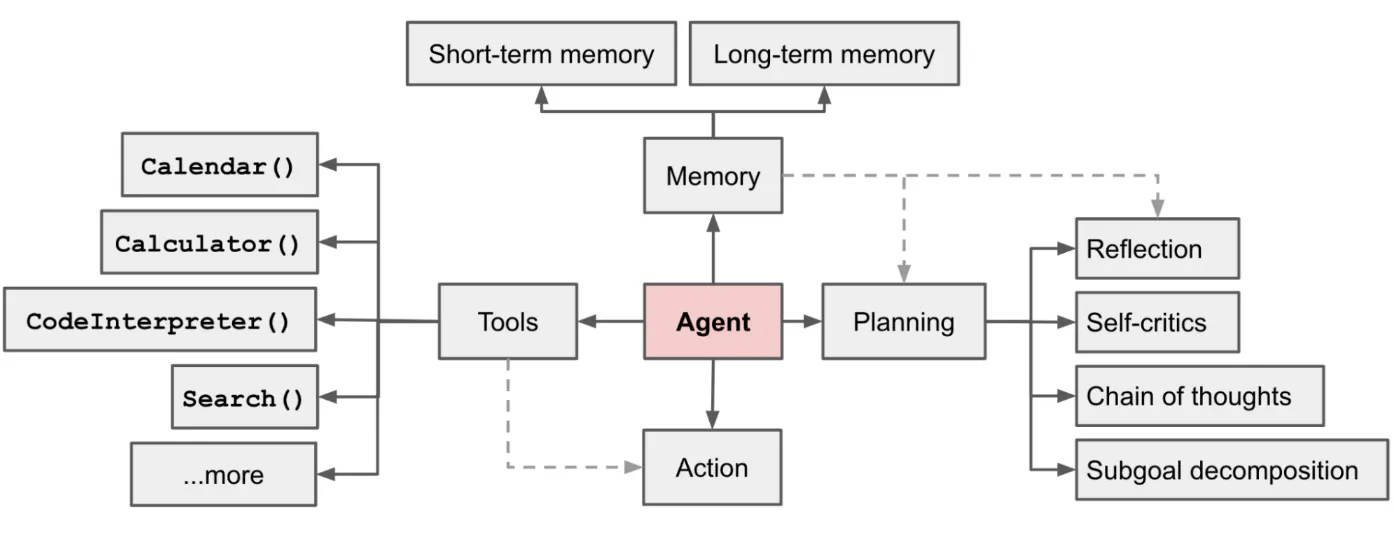
As AI becomes increasingly embedded in business operations, more founders are adopting agents—automated systems powered by large language models (LLMs) or task-specific components.
However, launching an agent is just the beginning. Continuous improvement is key to ensuring it delivers real value. Here’s a practical, non-technical guide to setting up a robust evaluation and improvement process for your AI agent.