
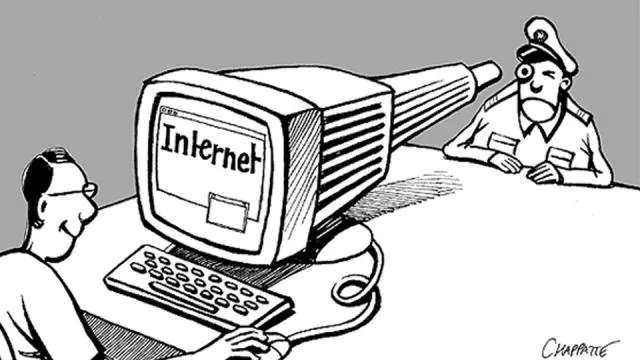
Yesterday wasn't a good day for internet privacy regulation. The Senate voted to make it easier for ISPs like Verizon, Comcast and AT&T to track and share sensitive information about their customers without permission. This puts people at risk of increased identity theft, data breach, and financial fraud. ¯\_(ツ)_/¯
Here's what you can do to protect yourself:
Step 1: Use a VPN like TunnelBear or Cloak. VPNs hide your IP address and encrypt your traffic across the web to keep you safe.
Step 2: Use HTTPS everywhere (as opposed to regular HTTP).
Step 3: Use a tool like Micro Snitch to protect your private data from being sent out, and Snoopie, which shows you who's watching you across the web. 🐶
Step 4: Use secure mail clients like Hop Encrypted Email or ProtonMail.
Step 5: Use a password manager, enable two-factor authentication, and share with a friend the Don't Get Hacked collection.
HIGHLIGHT

Whether you travel frequently or go on a few big vacations, here are 15 Products That Will Make You a Better Traveler.
Yesterday's Top Products

 143 •
 Writing


