Kira Ortega

About

I design compelling pitch decks that clearly communicate ideas, value, and vision in a visually engaging way. I focus on clean layouts, consistent branding, and impactful visuals to keep presentations professional and persuasive.

Badges

Tastemaker
Tastemaker
Tastemaker 5
Tastemaker 5
Gone streaking
Gone streaking
Gone streaking 5
Gone streaking 5

Forums

AI access is easy. AI governance is the next problem.

We re live on Product Hunt today with the new Intrascope update.

Intrascope started as a BYOK workspace for teams using multiple AI models.

Now we re adding managed AI usage as well, so companies can access top AI models without managing separate API keys, vendor accounts or billing dashboards.

The goal is simple:

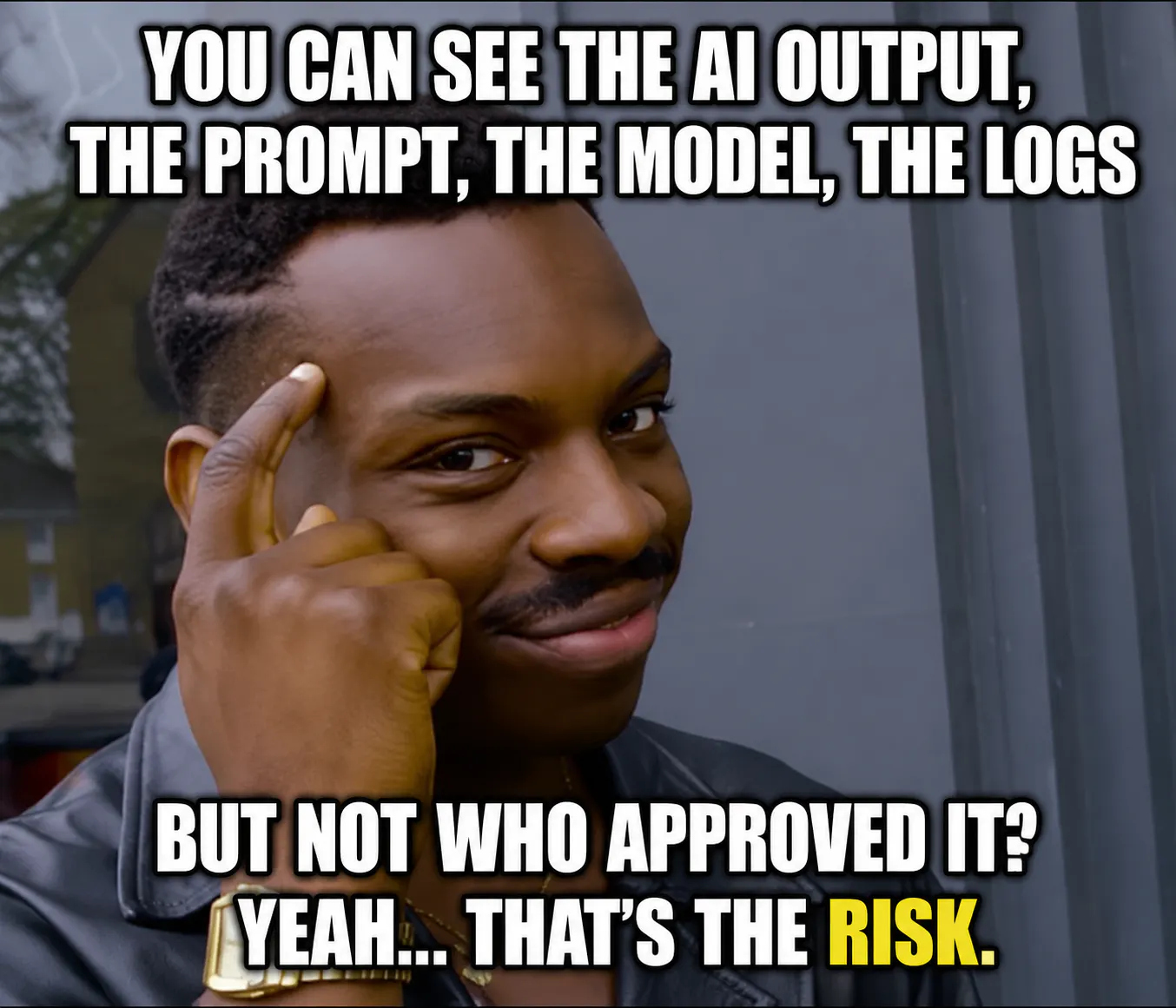
Would you trust an AI output if you could not see who approved it?

Been thinking about this after something that came up recently. Imagine an AI agent makes a recommendation that ends up influencing a customer workflow. The recommendation gets reviewed, approved, and eventually becomes part of how the team operates. Fast forward a few months and someone wants to understand why that decision was made.
The interesting part is that the technical history is usually still available. You can find the output. You can find the prompt. You can usually figure out which model generated it. What can be surprisingly difficult to find is the human context around the decision. Who reviewed the recommendation? Who approved it? What information did they have that made the recommendation seem reasonable at the time?
The more AI becomes part of everyday workflows, the more I find myself paying attention to that layer. Understanding the output matters, but understanding why someone trusted that output often matters just as much. A lot of conversations around AI accountability focus on the model. I suspect a lot of the missing context lives around the people making decisions with it.
Curious how your team is keeping track of that today, lets discuss it below...

AI Governance Needs a Control Plane, Not Another Dashboard

Most enterprise AI governance conversations focus on the wrong layer.

The hard part is not showing a dashboard with model usage. The hard part is building a control plane that still makes sense when someone joins, leaves, changes teams, or works in a different workspace. If the system cannot handle first boot safely, cannot revoke access cleanly, and cannot keep provenance inside your own infrastructure, then it is not really governing anything.

That is why the current LineageLens direction feels more like infrastructure than analytics. The backend now has a setup guard so the product stays locked until the first admin exists. It supports workspace-scoped invites, registration can be disabled, and token rotation means old sessions can be invalidated instead of lingering forever. On the capture side, even the free local extension preserves confidence and source, so evidence is not flattened into a raw diff.

I think that is the right shape for enterprise AI provenance. The important question is not what model wrote the code? It is who had access, what workspace was it in, and can we prove that the evidence still means something after access changes?

View more