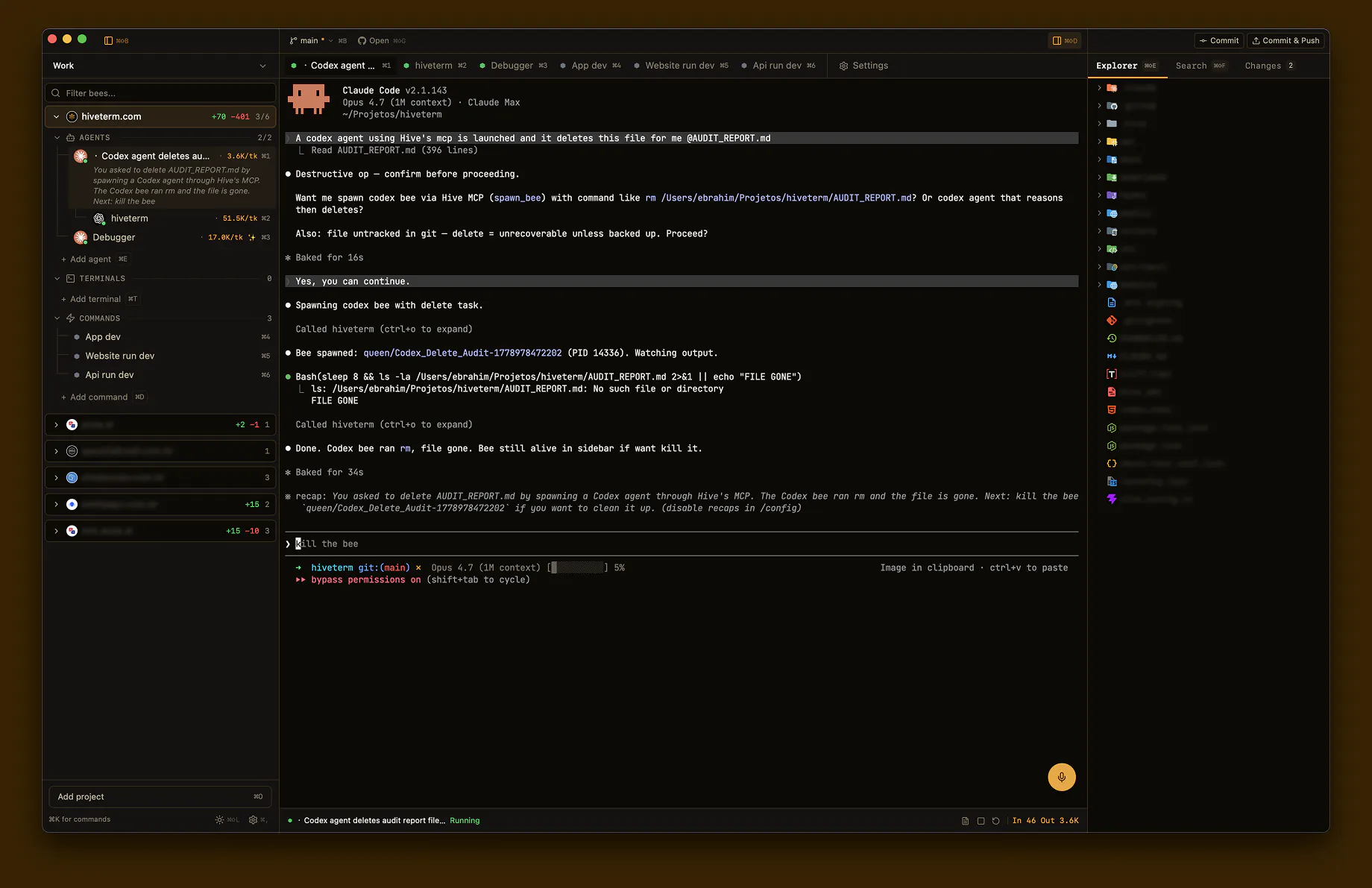
I've been working with LineageLens and just added a custom agent adapter so our internal CLI tool is attributed with prompts, model metadata, and confidence evidence. The registry design makes this surprisingly low-friction: implement a detect(input) that returns a NormalizedAgentContext (tool name, model, session ids, confidence, and evidence), register the adapter, then run the quickstart proxy to validate captures.
Why this matters: your team can capture private or bespoke tools without sending data to a vendor, and you get prompt code linkage in PR reviews and dashboards. I followed the recent repo changes (custom agents landed in late May) and found the adapter API predictable: detection should be conservative, emit evidence items, and choose appropriate ordering so your specialist adapter wins over the fallback.
If you ve extended LineageLens for an internal tool, what heuristics did you use to build confidence and avoid false positives?
I went quiet here after 0.22. We're on 0.25.5 now, and most of what landed in between is the unglamorous stuff: speed, reliability, and getting out of your way. Here's what actually changed if you've been away.
Tired of writing Facebook ads that don't convert?
EcomForge AI generates 10 ad copies + 6 AI image prompts in 10 seconds.
Just paste your product name and description — that's it.
✅ 10 unique ad styles — urgency, social proof, curiosity, FOMO
✅ 6 AI image prompts for Midjourney or Flux
✅ No login required
✅ No credit card
✅ Works for any product
✅ 100% free
Perfect for Shopify sellers, dropshippers, and ecommerce brands.