When I evaluated proxy providers for my work (which involves e-commerce monitoring, social-media accounts and automation), I compared several key criteria: IP quality & diversity, session control (static vs rotating), geo-coverage, team & access management, pricing, and support reliability. Here’s how Ziny Proxy stood out:
Global IP pool & geo-coverage – Ziny claims a network of “over 30 million IPs spanning 195+ countries”. Ziny Proxy+2Ziny Proxy+2 That wide geo-spread gives flexibility for tasks where location matters (e.g., checking pricing in multiple markets, simulating user behaviour from different regions).
Residential & mobile types offered – They provide both static residential ("ISP residential") proxies for longer sessions, and rotating mobile proxies (4G/5G) for tasks requiring high anonymity or frequent IP changes. Ziny Proxy+1 This dual offering is useful because I don’t want to lock myself into one proxy-type for everything.
Sticky session / static option – For certain workflows (like managing multiple accounts or keeping a session open), a “static” residential IP is important. Ziny offers “keep your IP address static forever” under their ISP residential plan. Ziny Proxy+1
Pricing & plan structure – They list transparent pricing tiers (e.g., $2.20–$3.60 per GB for residential plans) which helped me make cost-comparisons. Ziny Proxy+1
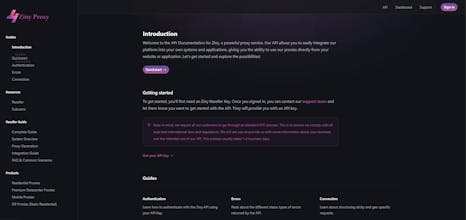
Dashboard & ease of use – From their site, the interface appears to let you select protocols (HTTP/SOCKS5), change locations, monitor usage and manage lists. Omnilogin
Support & value – Based on promotional material, they offer 24/7 support and account managers on certain plans. That gives me more confidence in long-term reliability. Omnilogin+1