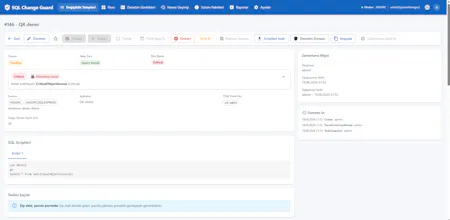
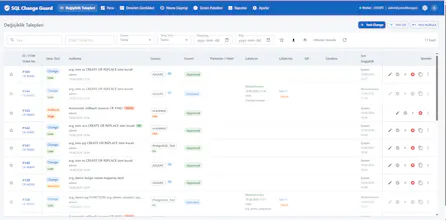
SQL Change Guard connects every script and production data request on SQL Server, PostgreSQL, and Oracle to automated approvals, risk analysis, and immutable audit logs. No script runs without approval, no sensitive data is delivered unmasked, and all audit evidence is collected in a single sealed dossier.
Hey Product Hunt community! 👋
I’m Onur, maker of SQL Change Guard.
After years in software and database operations, I kept seeing the exact same problem in almost every enterprise:
Teams have great CI/CD pipelines, ticketing tools like Jira, and runtime DB loggers (like Guardium). Yet, whenever an incident happens or an audit arrives, people spend hours cross-referencing logs, emails, and ticket IDs to answer a simple question: "Who authorized this exact script change in Production?"
We call this the "Correlation Tax."
We built SQL Change Guard to solve this gap once and for all—creating a unified Database Lifecycle & Change Governance Platform.
💡 What SQL Change Guard Does:
SQL Change Guard connects every script and production data request on SQL Server, PostgreSQL, and Oracle to automated approvals, risk analysis, and immutable audit logs. No script runs without approval, no sensitive data is delivered unmasked, and all audit evidence is collected in a single sealed dossier.
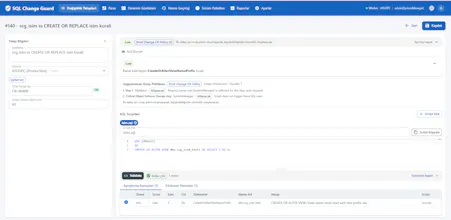
Governance Before Execution: Automatically parses scripts before they run to detect high-risk patterns (like TRUNCATE or WHERE-less UPDATEs) and score risk.
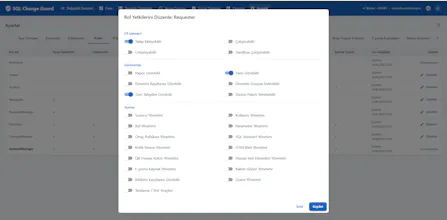
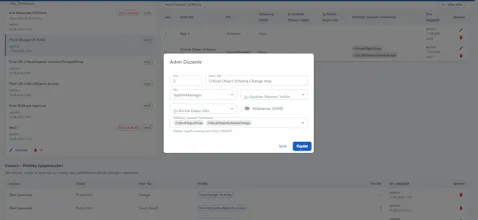
Strict Segregation of Duties (SoD): Enforces 4-eye policy approvals (Requester, Approver, Executor) so no single person can push high-risk changes unvetted.
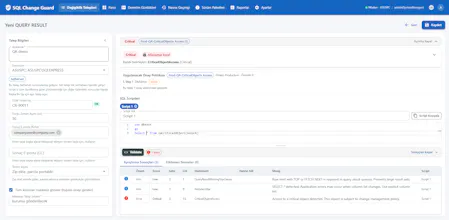
Ad-Hoc Query & Data Governance: Protects sensitive data in Production with dynamic data masking and encrypted result delivery.
1-Click Audit Dossier: Generates an HMAC-SHA256 cryptographically sealed ZIP dossier collecting the ticket, approval chain, script hash, and execution log in seconds.
We built SQL Change Guard to give developers speed while providing CIOs, IT Managers, and DBAs absolute peace of mind.
We’d love for you to check it out and share your thoughts!
How does your engineering or DB team currently handle production change approvals and audit evidence? I'll be here all day to answer your questions and chat about DB governance!