
SkillMint
Master soft skills in just 5 min a day
11 followers
Master soft skills in just 5 min a day
11 followers
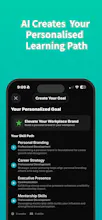
You’ve read the books and watched the TED talks. But when it’s time to give tough feedback or lead a hard conversation — you freeze. Soft skills are learned by doing, not reading. SkillMint gives you daily 5-min drills — real workplace scenarios where you make decisions, get AI feedback, and reflect on how to apply it at work. Your daily career flight simulator.



Free Options
Launch Team / Built With


Viktor.comAn AI coworker that actually does the work
Promoted


Hey Anurag! 👋 Loving SkillMint—solo-building something this practical in public is inspiring, especially as a mid-career QA engineer who's felt the soft skills gap hard.
🎯 Soft skill I wish I'd practiced earlier: Assertive communication. In tech teams, it's easy to stay quiet during vague feedback loops or credit disputes, but nailing that early would've fast-tracked my leadership growth.
🎯 Workplace situation that still makes me uncomfortable: Politely pushing back on a senior leader's unrealistic deadline without sounding negative—especially in fast CI/CD pipelines where "soon" means chaos.
These drills sound perfect for quick daily practice. Built anything yet for cross-cultural teams (huge in Indian IT)? Excited to try it and share feedback!
@snehal_sangle Hey, thank you so much for this — really means a lot coming from someone who’s lived through these exact situations! 🙏
You nailed it with assertive communication. It’s one of those skills that nobody teaches you, but everyone expects you to have — especially when you’re moving from IC to leadership. That moment where you know the right thing to do but can’t find the words? That’s exactly what SkillMint drills are designed for. We actually have scenarios around giving direct feedback and navigating credit disputes — sounds like they’d hit close to home for you.
And pushing back on unrealistic deadlines? That’s one of our most popular drill topics! The trick is framing it as protecting quality, not saying no — and practicing that framing before you’re in the hot seat makes all the difference.
Great call on cross-cultural communication — in Indian IT especially, navigating hierarchies, indirect feedback styles, and distributed teams is a whole skill in itself. It’s on our roadmap and feedback like yours helps me prioritize it. Would love to hear what specific cross-cultural scenarios trip you up most — that’ll directly shape the drills I build.
Give it a try and let me know how it feels — your QA mindset will probably catch things I haven’t thought of yet! 😄
Hello fellow makers 👋
Here’s a stat that should bother everyone: 85% of career success comes from soft skills, but there’s no structured way to actually practice them.
Think about it — you can go to a gym for fitness, Duolingo for languages, LeetCode for coding. But where do you go to practice giving tough feedback? Or pushing back on your manager? Or navigating a conflict between teammates?
The options today are either $5,000 executive coaching, a 2-day workshop you forget by Monday, or a self-help book that tells you what to do but never lets you practice doing it.
The result? Professionals freeze in the moments that matter most. You know the right thing to say — 10 minutes after the meeting ends.
The core insight behind SkillMint is simple: soft skills aren’t a knowledge problem — they’re a practice problem.
You wouldn’t give a presentation without rehearsing. But we walk into difficult conversations, negotiations, and feedback sessions completely cold — every single day.
So I built a practice ground. Every day, in just 5 minutes:
→ You face a real workplace scenario — a teammate takes credit, a deadline is unrealistic, feedback is vague
→ You make a decision in the moment — no theory, just action
→ AI gives you instant coaching on what worked and why
→ You reflect on how to apply it in your actual work
Think of it as a flight simulator for your career. The stakes are low, but the reps are real. Over time, the right response stops being something you think about — it becomes instinct.
I’m building this solo because I believe everyone deserves access to the kind of practice that used to be locked behind expensive coaching programs.
What’s the one workplace conversation you wish you could have practiced before it happened? Would love to hear your stories 👇
Being a manager in a tech company, I believe Active Listening and Strategic Leadership can be very tricky but useful.
@zeel_dedhia Love this insight. What are some of the mechanisms or ways that you use to practice or apply them in real workplace situations?