
DevSwat
Turn codebases into interactive maps, graphs, and governance
25 followers
Turn codebases into interactive maps, graphs, and governance
25 followers
I’m Louie Nemesh, and I’m building infrastructure that turns AI models into reliable, real-world systems. Today’s models have massive potential, but they often lack the structure needed to deliver consistent value in production. My focus is on bridging that gap—making AI usable, observable, and dependable across industries like healthcare, manufacturing, consumer applications, and defense.
This is the 2nd launch from DevSwat . View more
DevSwat
Launching today
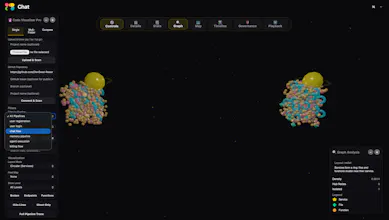
DevSwat Code Analysis is a code intelligence platform that turns large codebases into interactive maps, dependency graphs, and governance reports. Unlike traditional static analyzers, it combines scan, compare, trace, and agent workflows so teams can understand architecture, review changes, and act on issues in one place. It also supports GitHub scans, uploads, saved analyses, and AI-assisted governance, making it useful for both local exploration and team-scale code review.




Free
Launch Team / Built With


one thing that would be super helpful is a built-in dashboard for tracking model drift and confidence scores over time, so teams can see at a glance when something is going sideways in production without digging through logs
Love the idea of making complex codebases easier to understand visually. Interactive maps and governance can save teams a lot of time when onboarding or maintaining large systems, especially as AI-generated code becomes more common.
Curious...does DevSwat integrate with GitHub and support tracking architectural changes over time?
Have you considered adding a built-in cost-tracking dashboard that breaks down token spend and latency per request? Would make it way easier to justify the bill to stakeholders and spot which workflows are quietly eating budget.
Have you considered adding a visual debugging dashboard that shows model decision paths in real time? It would be super useful for spotting exactly where the AI drifts or fails in production without digging through logs.
Finally got around to poking at DevSwat, and the observability hooks feel genuinely useful for catching flaky model behavior. Nice to see someone focused on making AI dependable instead of just flashy.