Everyone's seen AI switch on a lamp. A demo. We built the version you can run a business on: an AI-first IoT platform where you describe what to watch and it connects the devices, writes the rules, and builds alarms that escalate until a human acts. Enterprise-grade bones — visual rules engine with versioning and rollback, two-way control of virtually any device, immutable audit trail, live 3D building twins. AI controlling the real world, in production. One sensor or ten thousand. Start free.
No reviews yetBe the first to leave a review for Kilo IoT Platform
Maker
📌
Hey Product Hunt! 👋 Tim here, founder of Kilo.
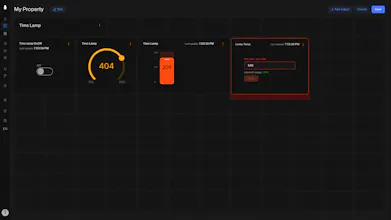
You've probably seen the videos online: someone hooks an AI up to a smart lamp, says "turn on the light," and the light comes on. Pretty impressive — but nothing more than a cool trick. There's no IoT infrastructure behind it. It's a one-time connection to one device, and that's where it ends: no fleet of sensors, no rules, no escalation, no record of what happened. Nothing you could hand a business.
Now picture that same AI with real industrial infrastructure underneath it — watching a cold store through the night, catching the compressor failing at 3 AM, waking the right person, and doing that every night for five years. Controlling the equipment that businesses, factories, and smart cities actually run on. That's the difference between a demo and enterprise-ready IoT. And that's exactly why Kilo exists.
Kilo is an IoT platform first — the serious kind: sensors that run for years on a battery, live dashboards, a visual rules engine with versioning and rollback, alarms that escalate until a human actually acknowledges them, a record of everything. And then we put AI in charge of it.
You literally tell it what you're worried about. "Alert me if any freezer goes above -15° for more than 10 minutes." It connects the devices, writes the rule, builds the escalation chain. Ask it "which site had problems last night?" and it answers from your live data. And before it touches anything real, it asks you first — then logs what it did.
My favorite things to show people:
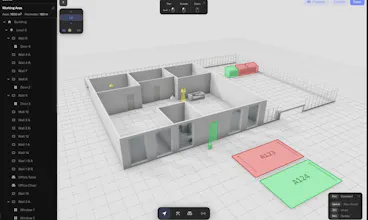
- A live 3D model of your building where rooms recolor the moment something's wrong
- It doesn't just watch — AI and rules can act on real equipment, not just send emails
- Alarms that don't give up: they climb the escalation chain until someone acknowledges
- The same platform from your first sensor to ten thousand across sites
The AI brain is Synthetic Brew — the open-source agent runtime we launched right here on Product Hunt. Kilo is what it looks like with a real job.
Free tier, five devices, no card needed: app.kiloiot.io. I'll be here all day — ask me anything, or just tell me what you'd put a sensor on first.
Report
Spent a few minutes poking around and the 3D building twin tied to live rules is genuinely cool. Set up a mock sensor, watched an alarm bubble through escalation levels in real time, and the audit trail captured every step cleanly.
Report
Tried it on a handful of sensors in my garage and the natural language rules actually translated into real actions without me tweaking anything. The audit trail detail was a nice surprise for something this approachable.
Report
Spent an afternoon poking around the rules engine and was surprised how fast it picks up plain-English logic and turns it into live device automations. The 3D building twin view is a really nice touch for spotting which sensor tripped without digging through logs.
Spent a few minutes poking around and the 3D building twin tied to live rules is genuinely cool. Set up a mock sensor, watched an alarm bubble through escalation levels in real time, and the audit trail captured every step cleanly.
Tried it on a handful of sensors in my garage and the natural language rules actually translated into real actions without me tweaking anything. The audit trail detail was a nice surprise for something this approachable.
Spent an afternoon poking around the rules engine and was surprised how fast it picks up plain-English logic and turns it into live device automations. The 3D building twin view is a really nice touch for spotting which sensor tripped without digging through logs.