We build the hands for AI that moves first. Effector is a capability layer for AI agents. Today the wedge is simple: scaffold and validate SKILL.md so skills become safer, more inspectable, and easier to compose. We’re starting with OpenClaw, with a broader goal of making agent capabilities more reliable and portable across runtimes.
No reviews yetBe the first to leave a review for Effector
Maker
📌
Hey Product Hunt 👋
I kept running into the same problem while building around AI agents:
the models are getting better,
the runtimes are getting better,
but the capability layer is still brittle.
You equiped a skill, wire a few things together, and often only discover the mismatch at runtime.
To us, that points to a missing layer: stronger typing, better safety, and a more composable abstraction for capabilities.
So we started building Effector.
The concrete wedge we’re launching today is simple:
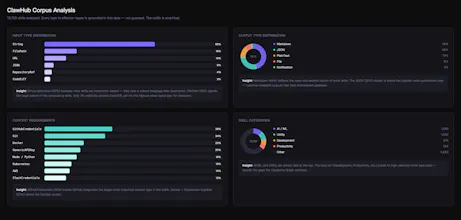
• A cluster analysis of 13,729 skills → scaffold skills and extensions faster
• validate SKILL.md before runtime
• make capabilities more structured and inspectable
We’re starting with OpenClaw workflows because that’s where we kept feeling the pain most clearly.
The bigger direction is broader than one ecosystem, but I didn’t want to lead with a giant platform story before we had a sharper working path. So this launch is intentionally narrow and faces early adopters and developers.
This is still early and very much in the building phase.
What I’d love feedback on is:
where do your agent workflows break today most often —
authoring, validation, composition, or portability?
Happy to answer anything and would really value blunt feedback.
Report
Maker
One thing I want to be careful about:
we’re not trying to replace OpenClaw, ClawHub, or a runtime itself.
The way I think about it is:
runtimes are the body,
and what still feels underbuilt is the capability layer around skills.
So we’re starting with a very practical problem inside builder workflows first, instead of pretending we’ve already earned a bigger abstraction.
Report
Maker
Why now?
Because agents are moving from “interesting chat” to “real work”.
As soon as that happens, the cost of brittle capabilities goes up fast:
harder reviews,
harder debugging,
harder composition,
more silent failures.
It feels like the tooling around capabilities is lagging behind the capabilities themselves.
Report
Maker
Also want to be honest about scope:
today’s launch is not “we solved the entire capability layer”.
It’s a narrower step:
make skills easier to scaffold, validate, and reason about before runtime.
That’s the part I think has to become real before any bigger portability / interoperability story deserves to exist.
Report
Maker
If you’re building with OpenClaw or any agent runtime, I’d especially love to know:
what currently feels the most fragile in your workflow?






One thing I want to be careful about:
we’re not trying to replace OpenClaw, ClawHub, or a runtime itself.
The way I think about it is:
runtimes are the body,
and what still feels underbuilt is the capability layer around skills.
So we’re starting with a very practical problem inside builder workflows first, instead of pretending we’ve already earned a bigger abstraction.
Why now?
Because agents are moving from “interesting chat” to “real work”.
As soon as that happens, the cost of brittle capabilities goes up fast:
harder reviews,
harder debugging,
harder composition,
more silent failures.
It feels like the tooling around capabilities is lagging behind the capabilities themselves.
Also want to be honest about scope:
today’s launch is not “we solved the entire capability layer”.
It’s a narrower step:
make skills easier to scaffold, validate, and reason about before runtime.
That’s the part I think has to become real before any bigger portability / interoperability story deserves to exist.
If you’re building with OpenClaw or any agent runtime, I’d especially love to know:
what currently feels the most fragile in your workflow?
What breaks most often?
And what would make capabilities easier to trust?