
Barnacle
The subscription tracker that is not a subscription
3 followers
The subscription tracker that is not a subscription
3 followers
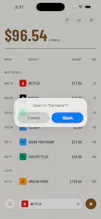
Barnacle adds up what your subscriptions cost each month and warns you before the next charge lands. No account, no sign-in, no servers: everything lives in a database on your phone. One payment of $5.99. The free version tracks five subscriptions.



Free Options
Launch Team

Viktor.comAn AI coworker that actually does the work
Promoted
I built this after realising I could not answer a simple question: what do I pay every month? Every tracker I tried wanted a monthly fee, my bank login, or both, which is a strange thing to accept from an app whose job is telling you to cancel things.
So Barnacle has no backend. Everything sits in SQLite on the phone. The only network call the app makes is the App Store billing check, and three separate checks hold me to that: a static scan that fails the build if any first-party file names a network primitive, the full 954-test suite running with those globals replaced by traps that throw, and a device run behind mitmproxy before each release.
Here is what that costs you, because it is a real cost and not a footnote. There is no sync and no cloud backup. Moving to a new phone means exporting an encrypted file and importing it on the other side. There is no bank detection either, so you type your subscriptions in, which a 243-service catalogue makes quicker by filling in the usual price once you type a name.
iOS only today. Free to download, five subscriptions on the free version, and $5.99 once for unlimited subscriptions, encrypted export and import, and the app lock. No renewal.
Happy to answer anything, particularly about the local-only architecture or why I decided against sync.