Launched this week
Storyship

Storyship

Turn Screen Recordings Into Professional Demos

4 followers

Storyship transforms raw screen recordings into polished product demo videos — no editing skills, camera, or microphone needed.
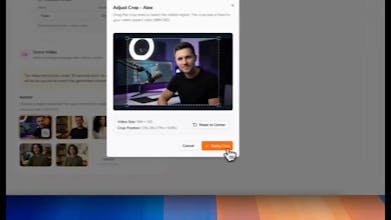
Storyship gallery image
Free
Launch tags:Design ToolsMarketing
Launch Team
Wispr Flow: Dictation That Works Everywhere
Stop typing. Start speaking. 4x faster.
Promoted

What do you think? …

Plugcamp
Maker
📌
As a developer, I kept running into the same frustrating problem: every time I needed a product demo video, it turned into a multi-day production. Record the screen, fumble with a microphone, re-record because of background noise, then spend hours in a video editor trying to make it look decent. For something that should take 10 minutes, it was eating entire weekends. I noticed the same struggle across indie hacker and SaaS founder communities. People were shipping amazing products but their demos looked rough — bad audio, no presenter, awkward pacing. Some skipped demo videos entirely because the production overhead was too high. That's a real problem when a polished demo can make or break a Product Hunt launch or a landing page conversion. The core insight was that most of the heavy lifting in demo video creation can be automated with AI. Transcription (Whisper), voice synthesis, and lip-sync technology have all reached a quality threshold where they're genuinely usable for professional output. So I built Storyship around a simple workflow: upload your screen recording, let AI transcribe and generate voiceover, add a digital presenter from just your photo, edit the script visually, and export. No timeline editor, no audio mixing, no camera setup. The approach evolved a lot during development. Early versions tried to do everything in one pass, but I found that segment-by-segment editing with real-time preview gave users much better control without the complexity of traditional video editors. Voice cloning was added after users asked for it — they wanted the convenience of AI but with their own voice identity. The goal has always been the same: make professional demo videos accessible to anyone who can record their screen.