

Kai - Your Explainable Investing Copilot
Decide like a committee, carry it in your pocket.
66 followers
Decide like a committee, carry it in your pocket.
66 followers
Kai is an early alpha and PLG wedge into Hushh: a consent-first copilot starting with explainable investing. Today it helps users review holdings and inspect positions through visible bull/bear reasoning and an encrypted vault. Over time, the same trust model can expand into a broader user world model, brokerage-linked workflows, and a wider personal data and action layer.






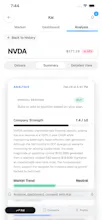
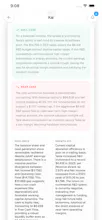


Hushh is the bigger idea behind this launch: a consent-first personal agent system where AI should work for you, not your data. Kai is the first live investor experience inside that system, built around an encrypted vault, explicit access, and visible bull/bear reasoning instead of a black-box answer. We started in finance because the need for trust is obvious there first.
The founder story matters here. Manish Sainani's background spans machine learning product leadership across Microsoft, Splunk, and Google, including serving as a Product Management Director at Google. Hushh traces back to 2021, and the through-line into Kai was simple: models were getting more capable, but the trust boundary around personal data still felt too weak. Hushh is our attempt to build that boundary properly.
That is why this launch is intentionally premature. Kai is early by design. It is the first live wedge of a much broader ecosystem, but we want to learn in the open while the product is still small enough to shape with real feedback.
Today the live product is focused on explainable investing: onboarding, holdings, analysis history, stock search, visible debate, and decision support. Over time, the same trust model can expand into a richer world model around the user, brokerage-connected workflows, and eventually lifestyle and preference domains under the same vault and scoped-access system.
Kai has a strong concept around explainable investing, but the current experience feels incomplete and lacks depth in insights.
The absence of vault-related insights makes the analysis feel shallow and limits user trust in decision-making.
Frequent 401 status errors disrupt the flow and make core features inaccessible.
This creates a gap between the product’s promise of transparency and the actual usability.
Improving stability and enriching insights would significantly strengthen the overall experience.
I explored the Kai platform and understood that it is used to analyze investment portfolios and give insights based on the data. The dashboard is simple and easy to navigate, so it was not difficult to understand the basic flow.
One thing I noticed is that Kai tries to explain its suggestions instead of just giving direct answers. This is helpful because users can understand why a certain decision like buy or hold is suggested.
At the same time, there are a few issues. While checking the import section, I saw that the “Connect with Plaid” option is marked as the best method, but it is still not available. This was a bit confusing. Also, when I opened the analysis page, the results were shown, but there was no clear explanation of how those results were generated.
Another thing is that there is no proper guidance for new users. When I first opened the dashboard, it directly asked me to import data without explaining the purpose. A small introduction or guide would make it easier.
Overall, Kai is a useful tool with a good idea behind it, especially because it focuses on explaining the analysis. But it still needs some improvements in clarity and user guidance to make the experience better.
Most investing tools focus on giving answers — Kai tries to show the thinking behind those answers.
That approach makes it stand out. Instead of just suggesting actions, it attempts to explain the reasoning, which makes the experience feel more transparent and less like a black box.
At the same time, the product still feels like it’s evolving. The insights are interesting, but they don’t always go deep enough to fully build confidence. You get the idea of why, but not always enough detail to strongly rely on it.
The onboarding and guidance could also be smoother, especially for first-time users. A bit more clarity in the initial flow would make the platform easier to connect with.
Overall, Kai has a strong direction with its focus on explainability and trust. With deeper insights and a more refined experience, it has the potential to become much more impactful.
Tried out Kai and honestly, the idea is pretty refreshing.
What I liked the most is that it doesn’t just throw recommendations but actually tries to explain why that’s something most investing tools miss. It makes the whole experience feel more trustworthy instead of just blindly following numbers.
While using it, I felt the onboarding and guidance could be a bit clearer, especially for first-time users. A smoother flow there would make a big difference.
Overall, really solid concept and excited to see how it improves over time
I explored Kai and found it to be a simple and interesting tool for stock analysis. It provides Buy, Hold, or Reduce suggestions along with some explanation, which I found helpful. I liked that it focuses on showing reasoning instead of just giving results. The concept feels useful, especially for beginners in investing. However, I felt the product could improve in terms of clarity and onboarding for first-time users. Overall, it seems like a promising product with good potential.
Kai feels like a strong step toward trust-first AI in investing. The visible reasoning and debate-style insights are a great touch compared to typical black-box tools. Would love to see smoother onboarding and more stability as it grows.