
Design Thinking in Healthcare Innovation
From Empathy to Prototype
3 followers
From Empathy to Prototype
3 followers
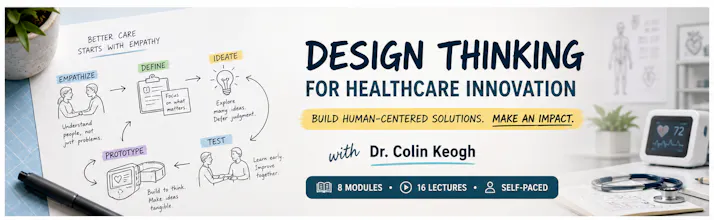
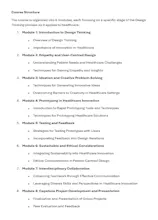
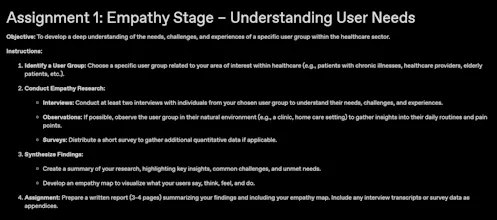
Most healthcare innovation never reaches a patient—it dies in slides or solves the wrong problem. This course fixes that. Design Thinking for Healthcare Innovation is an 8-module, self-paced system to take you from idea → tested prototype. Learn to understand users, define real problems, build fast, and validate solutions that actually work in healthcare.
RiteKit Company Logo API
@colin_keogh The stuck-in-slides problem is real—I've seen it across healthcare orgs trying to scale solutions. The hands-on approach you're taking, especially with actual user validation built into the process, seems like it addresses the biggest gap most teams have. Would be curious how you handle the feedback loop when you're working across different stakeholder types in healthcare systems.
@osakasaul Thanks Saul. In healthcare, i see lots of great intentions, strong technical teams, but very little structured validation across the people who actually experience the system differently. Frontline often, execs rarely, patients almost never.
One thing I emphasise heavily is that healthcare innovation is rarely a single-user problem. Patients, clinicians, admin staff, procurement teams, regulators, caregivers, and IT teams can all define “success” differently. The feedback loop I teach is built around separating:
observed behaviour vs stated preference (usually very different),
core needs vs workflow constraints (and work arounds developed here to help),
and local fixes vs system-level issues (lots of hodge podge fixes that work but dont translate).
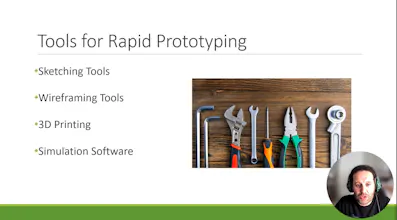
A big part of the process is running lightweight iterative testing early, before teams become too attached to a solution. That’s usually where the most valuable insights emerge.